- About us
- Contact Us
-
Log in
Quick Links
-
Become a friend
-
Registered users
Have an account? Sign in now.
Macmillan Cancer Support Jersey are pleased to launch their sun awareness campaign – providing islanders a greater knowledge around skin cancers, the steps we should take to reduce risk of these cancers, and knowledge regarding signs and symptoms.

Protect Your Skin, Reduce Your Risk: Be Sun Safe!
Skin cancer can be a serious disease and in some cases may be preventable. By taking simple steps, you can significantly reduce your risk. Here are some important measures you can incorporate into your daily routine:
Seek Shade: When the sun is strongest, typically between 10 a.m. and 4 p.m., seek shade whenever possible. This will limit your exposure to harmful ultraviolet (UV) radiation.
Cover Up: Wear protective clothing to shield your skin from the sun's rays. Opt for wide-brimmed hats, long-sleeved shirts, and long trousers to minimise exposure.
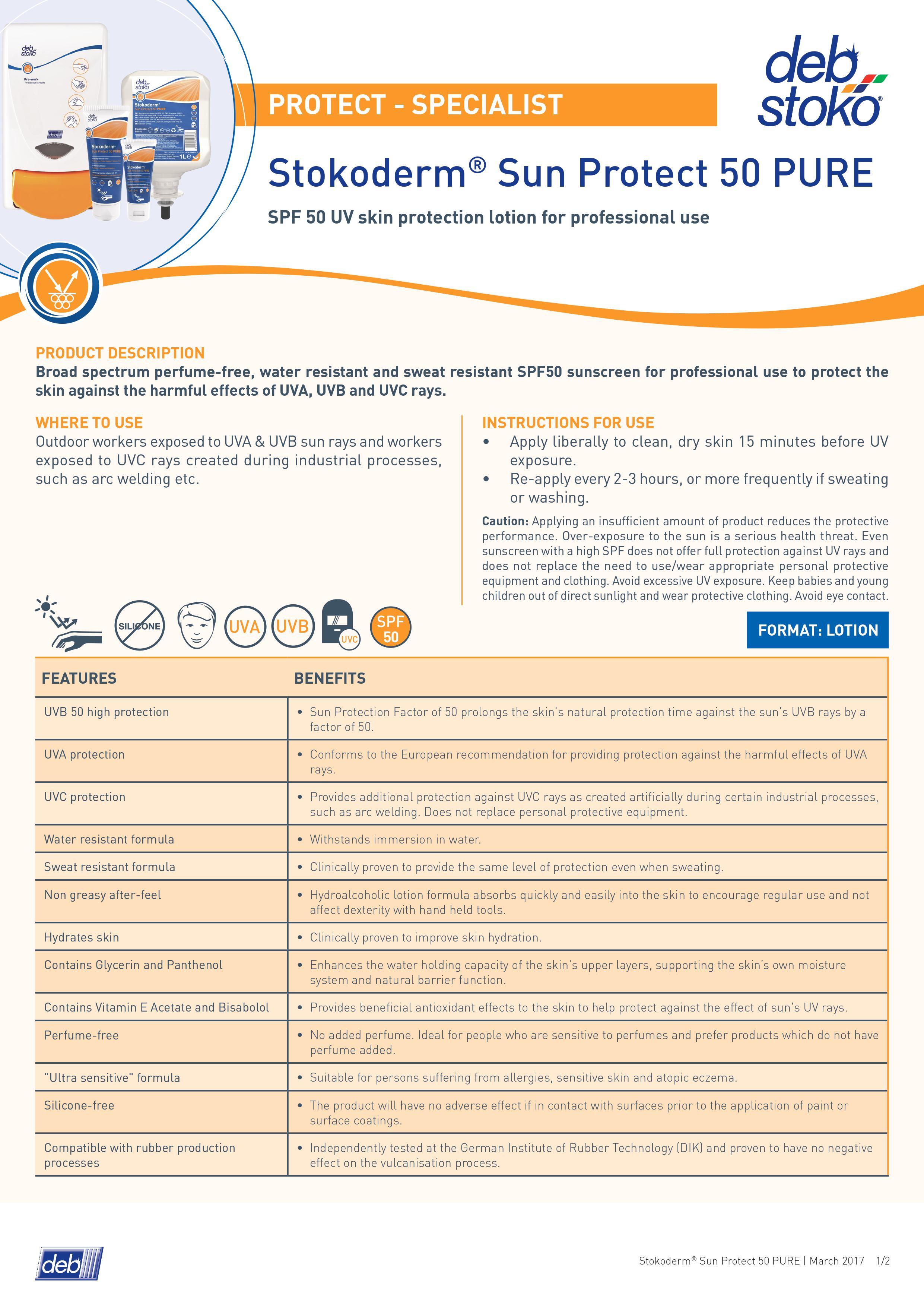
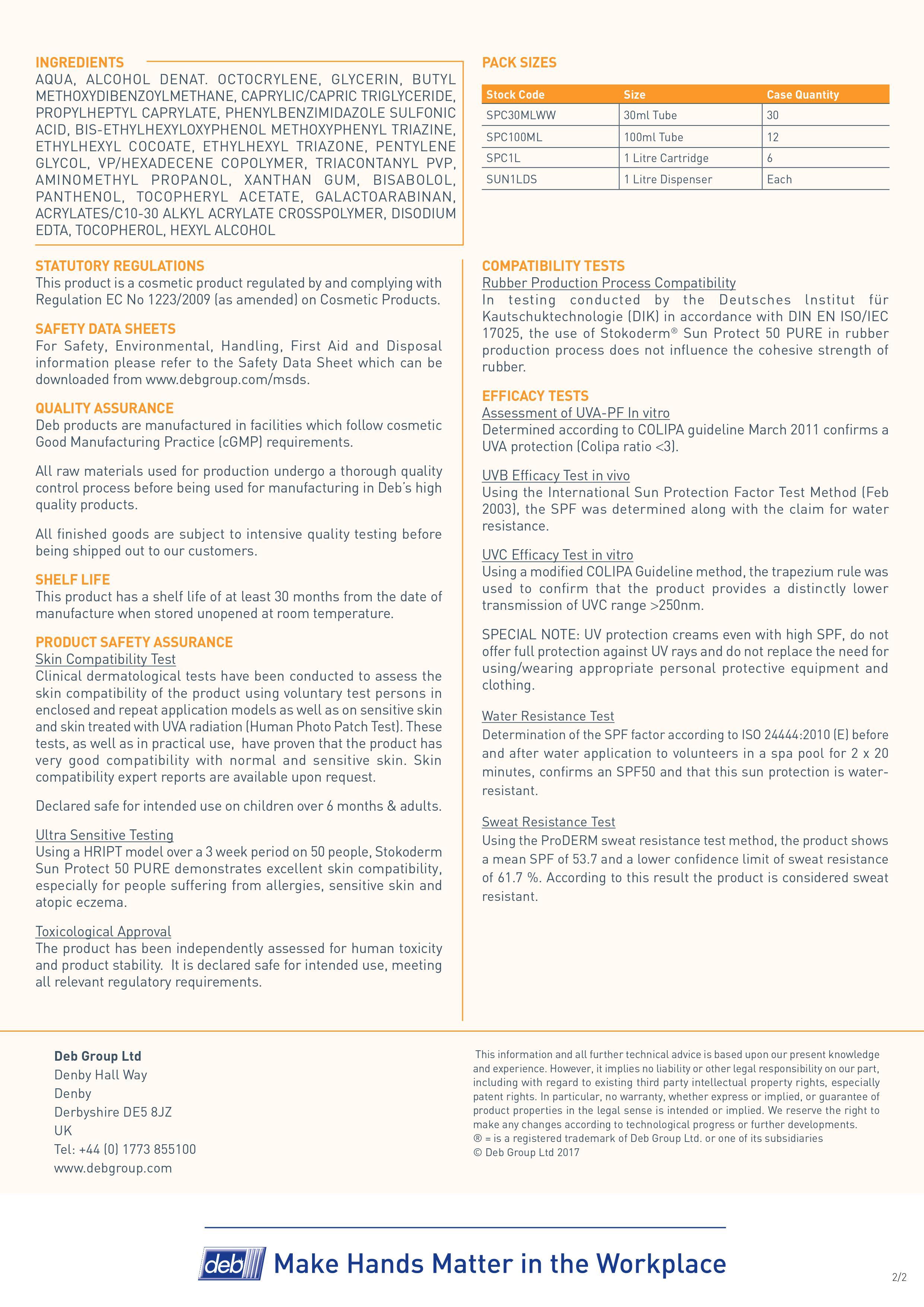
- Slather on Sunscreen: Use a broad-spectrum sunscreen with a sun protection factor (SPF) of 30 or higher. Apply it generously to all exposed skin, even on cloudy days. Reapply every two hours or more frequently if you're sweating or swimming.
- Say No to Tanning: Avoid tanning beds and sunlamps. They emit harmful UV radiation and increase your risk of skin cancer.
- Perform Self-Exams: Regularly examine your skin for any changes. Look out for new moles or growths, changes in existing moles, or any suspicious skin abnormalities. If you notice anything unusual, consult your GP or a dermatology professional.
- Stay Informed: Educate yourself about skin cancer risks, prevention strategies, and early detection. Stay up-to-date with the latest guidelines and recommendations from trusted sources.
The facts are plain enough
Jersey enjoys more sunshine than anywhere else in the British Isles.
Yet skin cancer rates here are higher than England, the South West and Guernsey.
Skin cancer is Jersey’s most common type of cancer.
That's why we're on a mission to make Jersey the most sun-safe place in the British Isles.
- Never burn
- Check the UV index
If UV is 3 or above, sun protection is recommended - Seek shade
Especially between 11am and 3pm when UV levels are strongest - Cover up
A hat, sunglasses and protective clothing all help - Use SPF30+
Apply generously before heading outdoors and reapply every two hours
Understanding the UV Index
The UV Index shows when the sun's rays are at their most harmful.
The higher the number, the faster skin damage occurs.
In Jersey, UV levels can be high enough to damage skin from as early as March through to October, even on cool or cloudy days.
When the UV Index reaches 3 or above, it's time to protect your skin.
1–2 Low
Protection usually not required.
3–5 Moderate
Limit sun 11am – 3pm; avoid long exposure. SPF 30+
6–7 High
Stay in shade 11am - 3pm; cover up and use SPF 30+
8–10 Very high
Avoid sun 11am – 3pm, cover skin with clothing, wear a hat, sunglasses and SPF 30+
11+ Extreme
Avoid being outside 11am – 3pm; cover skin with clothing, wear a hat, sunglasses and SPF 30+
Know your skin
Most skin cancers can be treated successfully if they're found early.
Keep an eye out for:
• Changes in size
• Changes in colour
• Changes in shape
• New moles or marks
• Bleeding or itching
• Areas of skin that aren't healing or that recurrently scab
If something doesn't look right, speak to your GP.
How hot are you on sun safety?
Think you're hot on sun safety?
Take our quick online quiz to discover how your habits, lifestyle and skin history may affect your risk.
You'll receive personalised advice and practical tips to help protect yourself and your family this summer.
Let's make Jersey the most sun-safe place in the British Isles.